
In a world filled with unnecessary turmoil and division, fuelled largely by what we’re subjected to by social media and news outlets, the past couple of weeks have demonstrated and reminded us that those platforms can also unite and uplift us with hope and joy, and should do so a lot more often.
Millions of people from all over the planet have been drawn together to support and celebrate four very special pioneers who escaped its clutches, broke records and made history, playing their part in a relay that aims to expand humanity’s horizons in new and exciting ways.
They did it by completing a test flight around the moon, travelling the greatest distance from Earth than anyone has ever done before, and gathering a treasure trove of imagery and scientific data along the way. This will enable NASA to move forward with plans to set up a base on our lunar companion, which they hope in turn will provide the opportunity for humans to travel to Mars.
To begin with, the Artemis II mission did fly under the radar a bit, while the astronauts soared high above our heads, as there have been far less pleasant stories dominating the headlines of late. So it was lovely to hear the launch had been successful, but I think I was one of many people who assumed that we wouldn’t get to learn much more about the mission until they got back.
But thankfully the algorithms did us all a favour, revealing NASA’s live streams and social media pages, which became as inescapable as Earth’s gravity and pulled people into a wormhole of discovery. I got drawn into it from around the third day I think, and just couldn’t let it go from there. The cheerful personalities of the astronauts, the clear communications from Mission Control, the stunning photography, the incredible technology and the dangers they had to overcome made it exciting and addictive to keep an eye on.
So now our heroes are back safely on Earth, here’s a look back through the mission to pick out some of my favourite moments.
Contents
The Crew
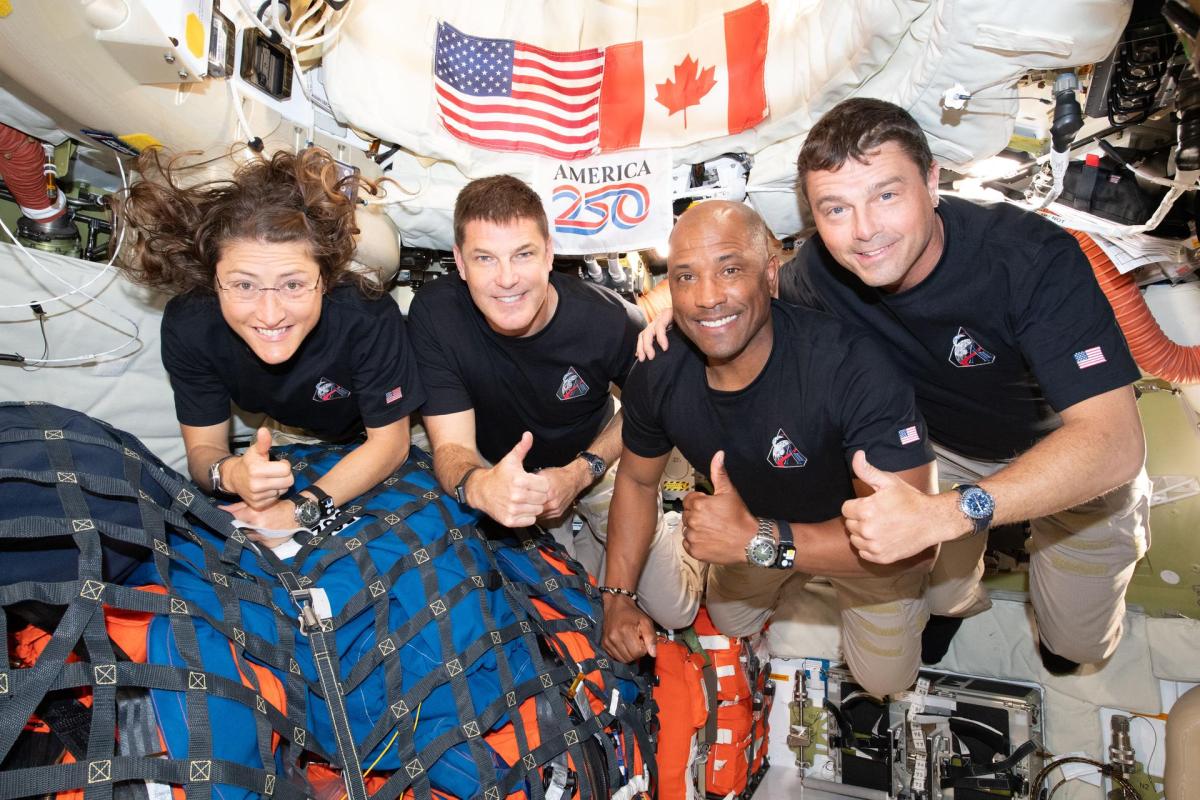
The 4 intrepid explorers, who were revealed in 2023 and have now become household names, are:
- Commander Reid Wiseman – A former US Navy fighter pilot who was selected as an astronaut in 2009, and worked aboard the International Space Station (ISS) in 2014.
- Pilot Victor Glover – Also a former Navy pilot, Victor became the first black person to complete a long duration stay on the ISS from 2020-2021, and has now become the first black person to orbit the moon.
- Mission Specialist Christina Koch – A highly experienced engineer, Christina was already a record holder for the longest female spaceflight (328 days aboard the ISS from 2019-2020). During that time she took part in the first all-female spacewalks and was the first person to edit Wikipedia from space. Now she’s become the first woman to travel to the moon.
- Mission Specialist Jeremy Hansen – Another former fighter pilot, this time with the Royal Canadian Air Force, Jeremy was part of NASA’s NEEMO-19 undersea mission in 2014. This mission is his first trip to space and grants him the accolade of being the first non-American to fly to the moon.
Throughout the mission it was amazing that we were able to see decent quality live pictures and hear clear communications from them with only a slight delay, considering the vast distances involved. And it was fascinating to hear their descriptions of what they were seeing and doing and how they were feeling, both during their feedback to Mission Control and in the many interviews they gave. They have a wonderful way with words and have proven themselves to be the perfect ambassadors for NASA, space travel and our planet.
What came across particularly well, and really made them a joy to watch, was the chemistry and camaraderie between them. They worked with intense concentration and professionalism throughout the mission of course, obeying a strict timetable of carefully choreographed tests and activities. But they also had many moments of light relief with banter and jokes, and even played around a bit on camera to give the staff in Mission Control a giggle.
There were emotional moments too, naturally, including private conferences with their families that we rightly weren’t privy to, the naming of a special crater after a loved one, and just the way they reacted to the awe-inspiring sights through their windows. And another nice touch was that they had a different song played to wake them up each morning, for which NASA have shared a Spotify playlist, including Under Pressure by Queen & David Bowie.
They’ve also been very keen to share their experience with the world, and are under no illusions as to what a privilege it has been, expressing great humility and offering wise words of encouragement for future generations. With this being a test mission, everything they’re doing is to benefit future crews, and they’ve even got batons that they will be passing on to the next team as a symbolic gesture. So they are just one part of a much bigger project, but they have played an absolutely critical role that they will be long remembered and respected for.
Mind you, I say there were 4 crew members. That’s doing a bit of a disservice really, as there was a fifth occupant on board whose role was also very important – Rise, the official mascot. Designed by 8-year-old competition winner Lucas Ye from California, and carrying an SD card containing over 5.6 million names that had been submitted to accompany the mission, this adorable plushie toy served as the indicator for zero gravity by gently floating around the ship. And that meant his cute little smiling face kept bobbing into view during the live coverage, especially during press interviews, and the crew enjoyed playing with him!
Support Teams
The crew were of course supported by a huge array of specialists in Mission Control, including backup astronauts who were able to play a vital role in helping their colleagues, as envious as they must be that they couldn’t make the journey themselves. We therefore had regular views of the Mission Control team throughout the live broadcasts, sat in front of a myriad of screens full of information.
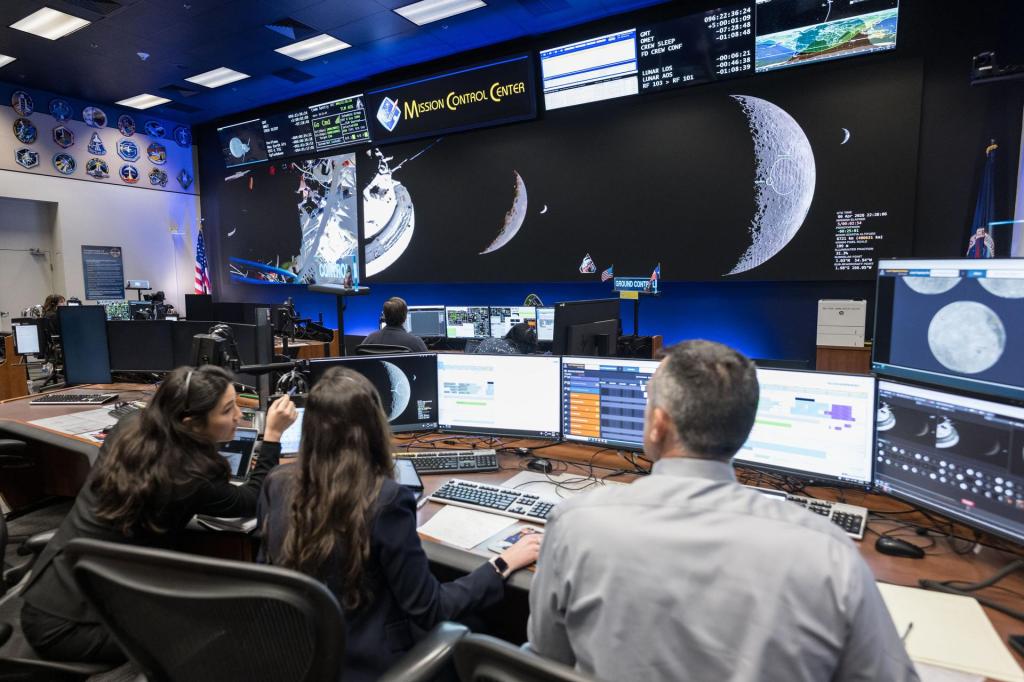
And beyond that there were many other NASA departments and external organisations involved in ensuring the success of the mission, including the European Space Agency who built the service module. Lots of NASA employees have found themselves gaining new followers on social media as a result – dig around in the Artemis II community on Threads, for example, and you’ll find several.
So the thousands of people behind the scenes also need to be congratulated for their incredible efforts. It’s impossible to comprehend the amount of planning, training, engineering, computing power and more involved in this mission, but it’s clear that NASA have left absolutely nothing to chance where at all possible.
NASA Coverage
Unbeknown to many people, including myself, NASA have been providing live coverage of their missions on various platforms for quite some time now. But this particular mission has really broken through to the mainstream and got everyone’s attention because of its significance.
They kept the world up to date with everything that was going on through daily press conferences, news updates, blog posts and a podcast, as well as sharing wonderful multimedia resources including imagery and audio that you can download. I even have a couple of the mobile wallpapers, created from the photos taken by the crew, installed on my phone now, as they look very cool, and the dark background of space shows up the white text on my screen beautifully.
But it was the audio commentary on the live streams, explaining what we were seeing and hearing clearly and in real time, that made further stars of the mission. All of the presenters and narrators were excellent, but special shoutouts go to Rob Navias for the launch and re-entry coverage and Leah Cheshier Mustachio for her regular appearances during the spaceflight. They were very informative, without being patronising by dumbing things down, but also calm and reassuring, enabling us to relax in the knowledge that everything was working as it should be. It really felt like we were being warmly welcomed into the crazy world of space travel with open arms and encouraged to learn more.
Leah in particular has become very popular on social media, racking up thousands of new followers on Threads and Instagram, and you can listen to an interesting podcast interview with her about commentating on this mission. She also went viral for a moment where she thought she was only talking to her producer, but was heard to calmly say “Welcome back, we are still here, they are in space.” She was embarrassed to learn it had been broadcast, but it was perfect for the moment, and there’s a rhythm to the way she says it that’s quite soothing, reminding us that everything’s ok. And she’s since updated the phrase now that the crew are not in space any more, so she’s being a great sport about it.
Daily Highlights
Here are some of the key moments and great memories from the mission.
Day 1 – Launch
NASA use their most powerful rocket to date to launch the crew into space, and make sure we can see it from every angle. After their extensive live coverage, they share videos using cameras on the rocket itself, a 360-degree camera on the ground and an infra-red view.
Day 2
After about a day spent orbiting the Earth while all critical systems were checked, the Orion spacecraft carries out the translunar injection burn. This lifts them out of Earth’s orbit and propels them towards the moon, with Christina saying: “With this burn to the moon, we do not leave Earth – we choose it.”
Day 3
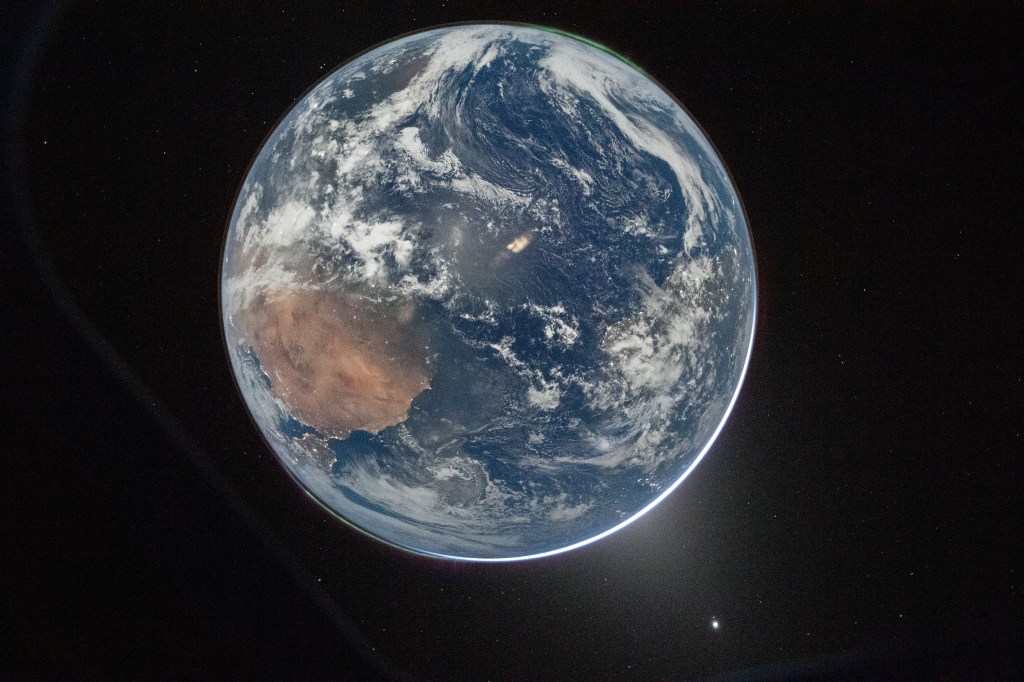
As the ship’s trajectory is confirmed to be so on target that they don’t need to fire a scheduled correction burn, and they cross the halfway point between Earth and the moon, the crew start to prepare the cabin for their flyby on Day 6. They also begin to send back some gorgeous images of Earth in all its glory that they’ve taken so far.
Day 4
While flyby preparations continue, and another trajectory correction burn is skipped, the crew demonstrate manually piloting the spaceship. They also get excited about the views of the moon they’re starting to see, leading to the phrase “Moon Joy” becoming an integral part of the mission. Attempts are also made to fix the toilet, as the waste management system has been causing issues since launch day. While they are able to work around the issues for the rest of the flight, it’s clear that NASA needs to fix it for future missions.
Day 5
Alongside further flyby preparations, the crew test out their survival suits and the ship is given a short trajectory correction burn just to keep it bang on target, having skipped the first two optional burns earlier in the mission. It’s also a day of special messages, beginning with one from Apollo 16 astronaut Charlie Duke when they first wake up. Jeremy Hansen is then awarded a gold pin by his crewmates to honour his first trip into space, and they all wish people on Earth a Happy Easter.
Day 6 – Lunar Flyby
It’s the big day of the lunar flyby, the first time humans have done this in over 50 years, and the crew are… well… over the moon about it!
They begin by receiving another special message from a former astronaut to send them on their way, this time from Jim Lovell, welcoming them to his “old neighbourhood”. He was one of three astronauts on the Apollo 8 mission in 1968, which was the first human spaceflight to reach and orbit the moon. He had recorded his greeting 2 months before passing away last year, and the current crew have a patch from the Apollo 8 mission on board that was given to them by his family. So it’s lovely that they honour him on this special occasion.
The crew also learn that they have smashed the record for the furthest distance that humans have ever travelled, and they lay down the challenge to the current generation and the next to ensure that it’s not long before it’s broken again.
They also use the milestone moment to suggest names for a couple of fresh craters they can see that haven’t had titles assigned to them yet. They call one Integrity, reflecting the name they’ve given to their Orion spaceship. The other they cal Carroll, in loving memory of Reid’s late wife, which is a beautiful gesture and a very emotional moment that results in tears all round and a group hug. Other members of Reid’s family are present in the viewing gallery at Mission Control during the day, which is nice.
The crew then spend over 6 hours making detailed observations about the moon as their ship swings around it. They follow a very strict timeline dictating who does what and when, and what their targets are, taking astonishing photographs as well as making audio recordings and written notes. The tasks are swapped among the crew members at intervals so that they each get a fair go and a range of perspectives are recorded. They also talk to base regularly to give their reactions to what they’re experiencing, and it’s clear that they’re absolutely loving it. They do also get 40 minutes to themselves though, when they fly behind the moon, which blocks all communication with Earth.
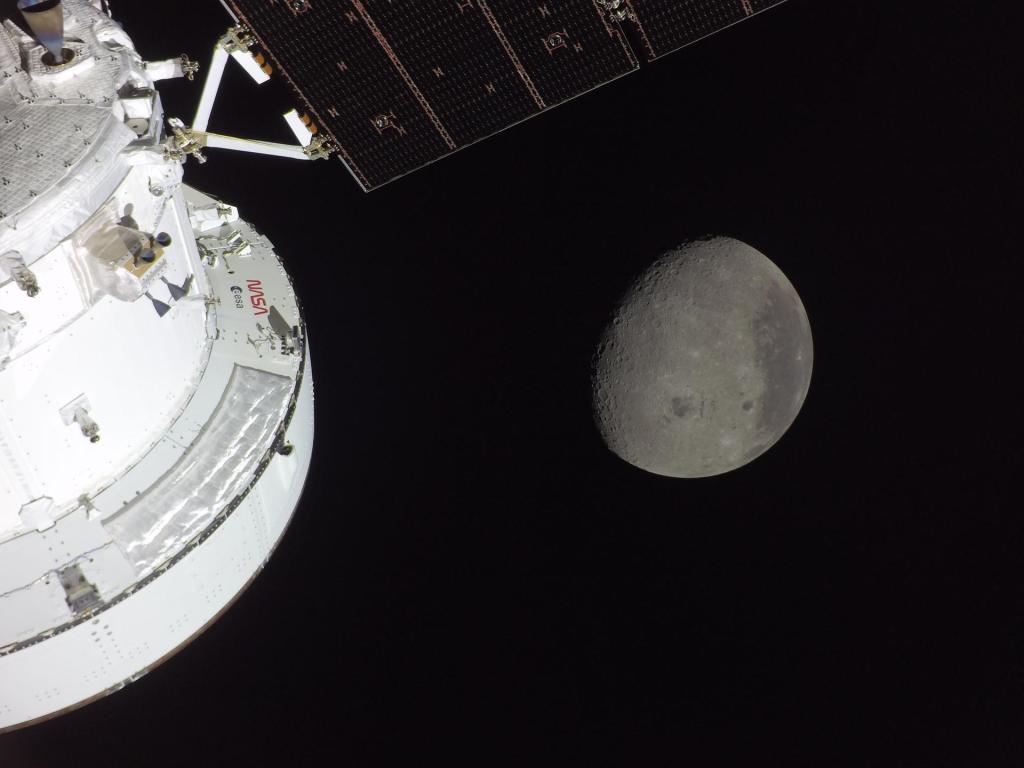
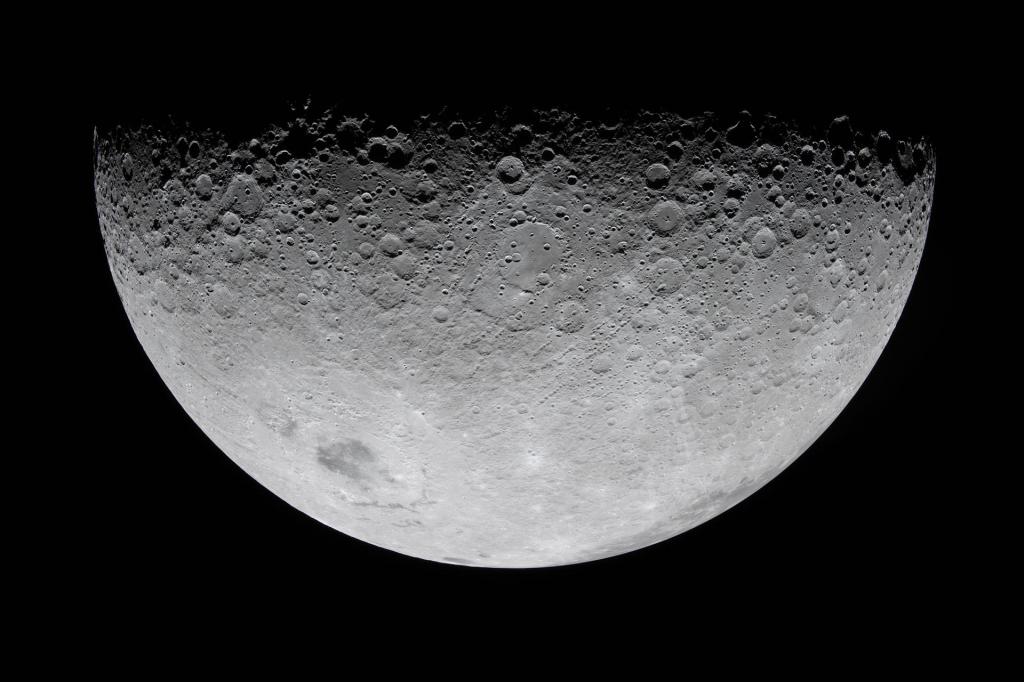
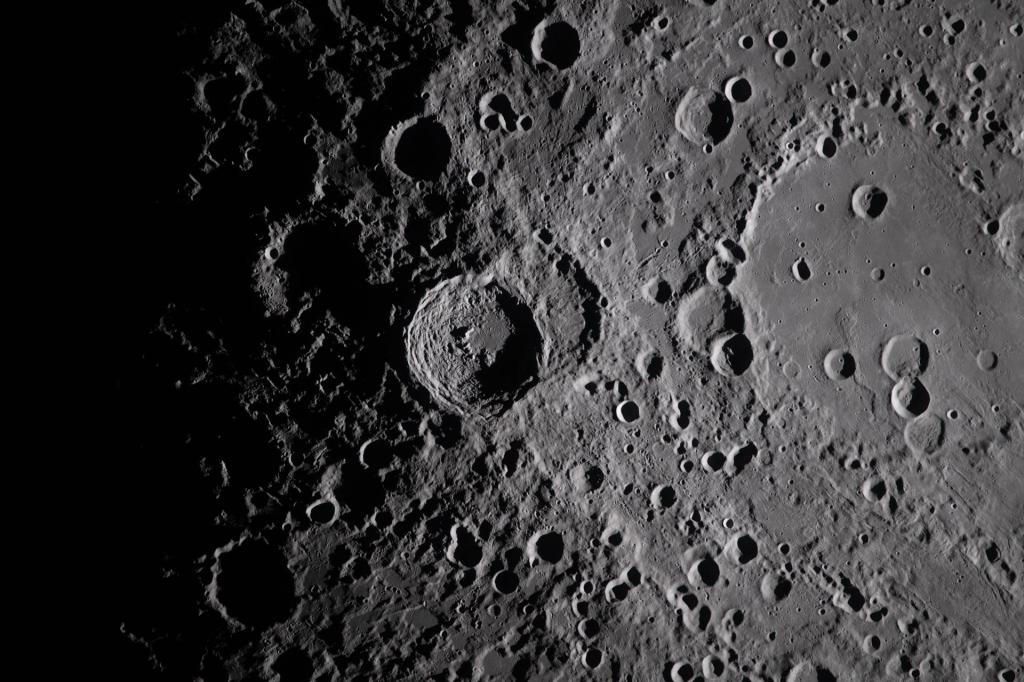
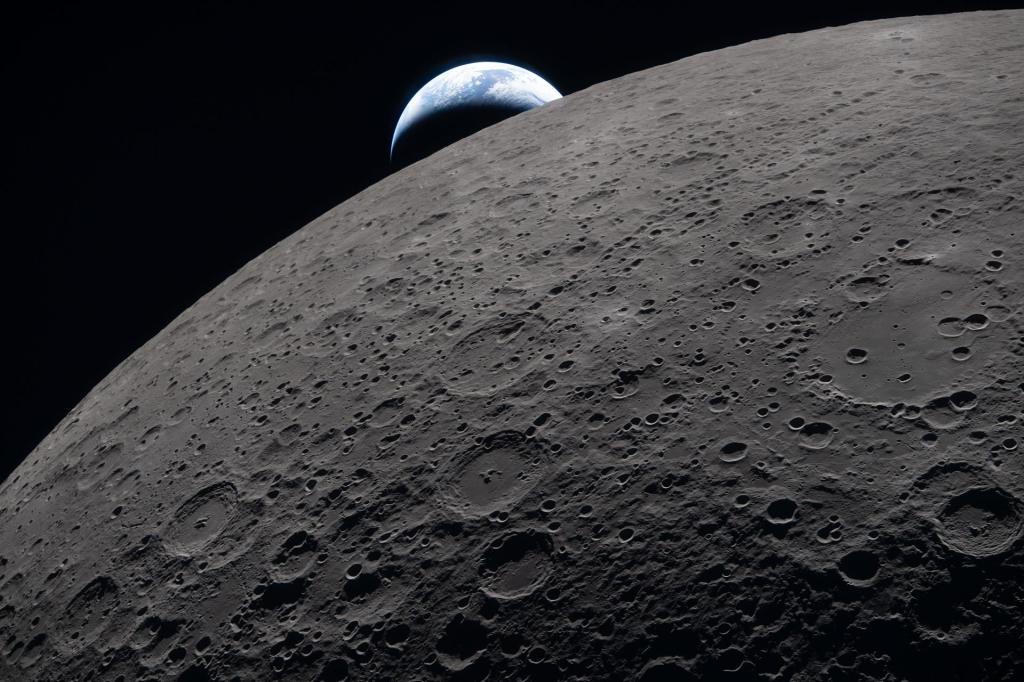
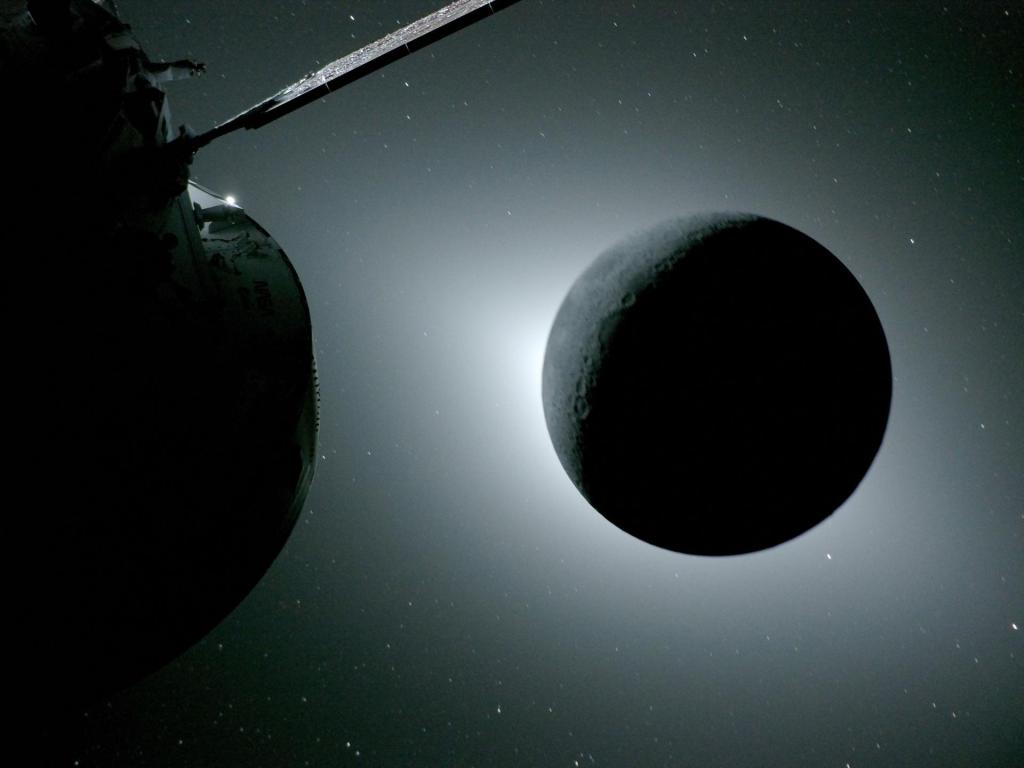
And as if all that wasn’t enough, after they emerge from the other side of the moon and regain contact with Mission Control, they then get to experience a solar eclipse, as the moon blocks the sun from view. It’s the first time humans have ever experienced an eclipse from this perspective. Unlike eclipses on Earth, which are far away and last just a small amount of time, the crew get to marvel at this sight for 54 minutes close-up.
Finally, to wrap up a truly historic day, they get a call from the US President to congratulate them on their historic achievement.
Day 7
As the crew head back towards Earth, they have a lovely chat with their colleagues on the International Space Station, the first time the two ships have communicated. They also have a conference with the science team back on Earth, who are eager to discuss their reactions to the flyby while it’s still very fresh in their minds. Then later, after leaving the influence of the moon’s gravitational pull, they perform the first return trajectory correction burn, as they begin to refine their path back home.
Day 8
The crew members finish their exercise sessions today, having done 30-minute daily fitness routines using a flywheel device, as there simply won’t be enough time over the busy final two days. The crew thank Mission Control for the contraption with cheers, as they’ve found it very useful. They also begin work on preparing for splashdown, by testing their orthostatic intolerance garments, installing their seats and stowing some items away in the cabin, while Victor entertains Mission Control by spinning around on camera!
In addition, they receive a call from the Canadian Space Agency, in which they talk with Prime Minister Mark Carney, and they talk directly to the media in a NASA press conference. They also reveal that they have the Apollo 18 flag on board, from one of the missions to the moon that was cancelled, so it’s nice that it finally gets to make the journey.
Day 9
Today the crew continue to prepare for their arrival back home, by reconfiguring the cabin, packing items away, reviewing all the procedures and conducting another burn to tweak their trajectory. They also have an interview with members of Congress.
In amongst it all there’s a sweet moment whey they use the camera to show Mission Control the view of the Earth that they’re enjoying, to which they all agree that it looks like the world is smiling back at them like a Cheshire Cat.
Day 10 – Splashdown
After a final trajectory burn, it’s time for the most dangerous and violent part of the journey, as the spacecraft hurtles into Earth’s atmosphere at over 24,000mph, with the heat shield having to cope with temperatures that are half as hot as the sun. There had been charring issues with the shield after the unmanned Artemis I mission, but with slight adjustments to the shield and the way the ship is manoeuvred during its descent, NASA are confident everything will be fine.
People around the world watch live with bated breath as the events unfold, with the most tense moment being an unavoidable communications blackout when the craft is engulfed in a fireball of plasma. While this was expected and planned for, it’s still a long 6 minutes where nobody, not even Mission Control, knows what’s going on. The crew are on their own and it’s impossible to be sure if they’re ok. So it’s a quite a relief when their voices are heard again, the parachutes open in sequence, and the capsule slows down to a safe speed.
In the end, not only is the re-entry a success, it’s flawless. Every single step of the process happens at the exact time NASA said it would, before the capsule hits the sea right on schedule within less than a mile of the target. Given all the variables that need to be considered and catered for, the precision is mind-blowing, and even some of the officials can’t quite believe they’ve pulled it off so accurately. It’s truly remarkable to witness.
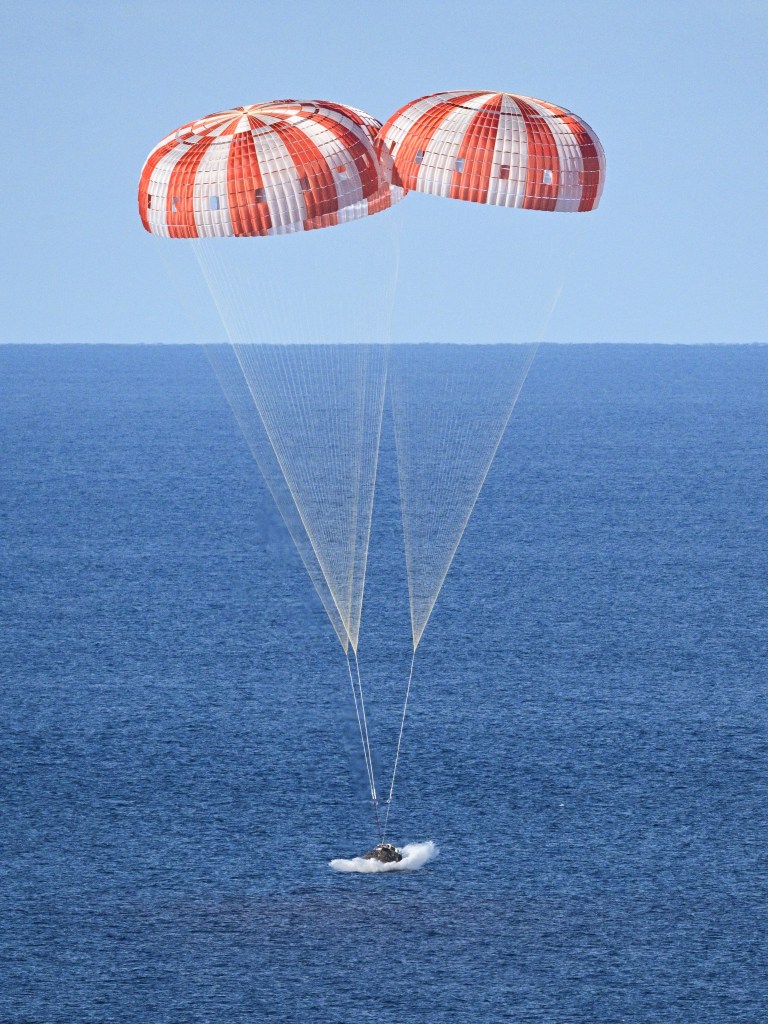
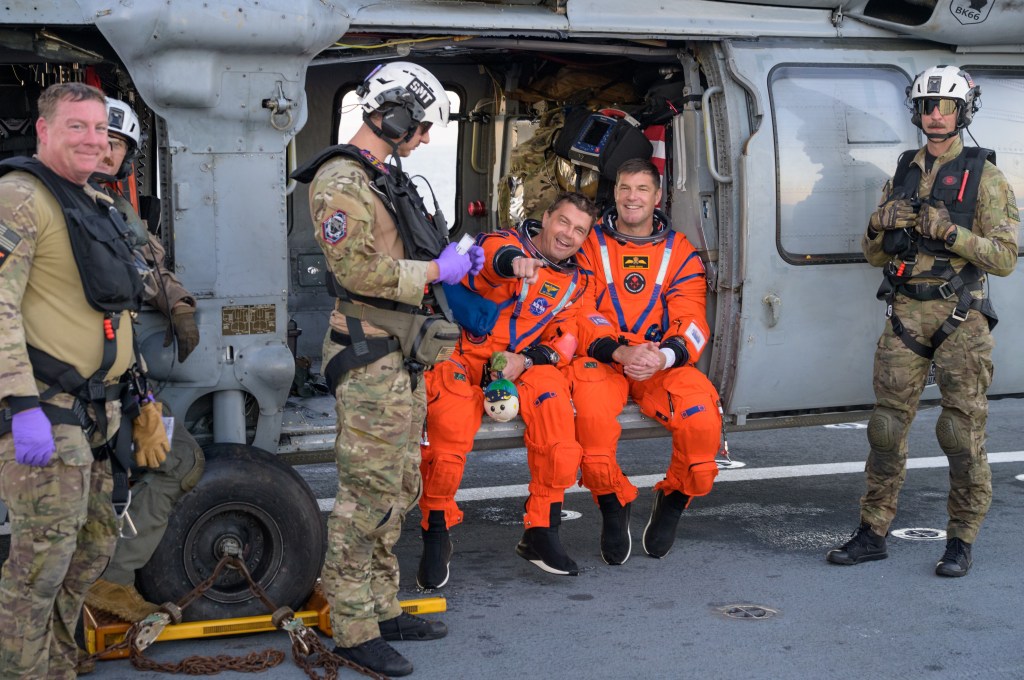
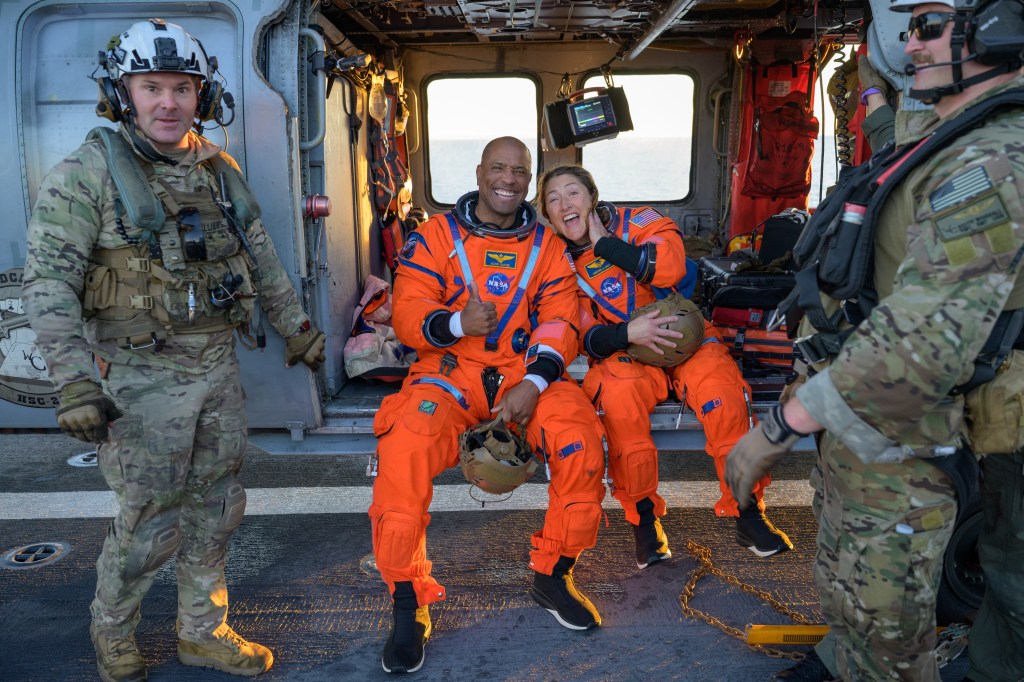
The crew are also unharmed and in great spirits, so after extensive checks are carried out on them and the vehicle, there are cheers in Mission Control and elsewhere when they eventually emerge from the capsule on to the inflatable raft called the Front Porch. From there, they’re airlifted to a Navy ship called the USS John P. Murtha, whey they pose for photos before leaving the helicopters and being taken to the medical bays for more thorough assessments.
Day 11 – Welcome Home
The crew return to Johnson Space Center in Houston, where they’re reunited with their families and get a hero’s welcome at a special ceremony.
It’s a very moving moment when they come out on stage to a standing ovation, and the emotions don’t stop there, as they each take a turn to speak. They naturally thank everyone for supporting them on the mission, from their families to all the technical experts and the leadership. And they demonstrate the unbreakable lifelong bond that they’ve formed as a crew, because nobody will ever fully understand what they’ve been through together. They’re going to be processing everything and learning from their experience for a long time to come. Christina also explains why the population of Earth is a crew just like them, sailing this lifeboat of a planet together in the universe, and she’s right.
Conclusion
Before this month, most of the world had never heard of Reid Wiseman, Victor Glover, Christina Koch and Jeremy Hansen. But the last 10 days have flown them around the moon and into our hearts. They’ve delivered hope and joy to millions, shown incredible courage and humility, acted with exceptional professionalism, brought back a wealth of imagery and data, had a huge amount of fun, and inspired future generations in the process. They truly represent the very best of what humanity has to offer. Congratulations to them, NASA and everyone else involved in this historic journey, and thank you for taking us all along for the ride.
Of course, this isn’t the end of the story. It’s just the beginning. Artemis II has provided NASA with extensive and vital information that will be used in the development of future missions, because the next goal is to land humans on the moon again during the Artemis IV and Artemis V missions, earmarked for 2028. That will hopefully pave the way for a moon base to be built, from where humans can then travel on to Mars. But there’s a lot of hard work still ahead to make that happen. The Artemis III mission needs to take place first, to test how the Orion capsule can dock with a lunar lander, but the two landers in development by SpaceX and Blue Origin are way behind schedule.
Humans will land on Mars, there’s no doubt about that. There’s a huge amount of work required, but NASA will figure it out eventually given all the expertise at their disposal. And the publicity surrounding this latest mission will undoubtedly have inspired some young people who would be more than capable of making the journey one day. So the future is exciting and it will be really interesting to see how things develop in the years ahead.
Share this:


 Well Eye Never